The History of Haddington
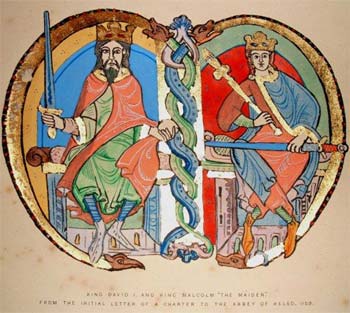
Ada de Warenne, Mother of Kings, Malcolm IV and William I, was gifted Haddington by David I on her marriage to his son, Henry. Widowed in 1152, she retired to Haddington where she founded the Cistercian Priory of St Mary the Virgin. In 1548, the Treaty of Haddington betrothing Mary…Read More
Haddington was one of the first chartered Royal Burghs created by David I in 1138. Unfortunately, the original charter has been lost or destroyed.
King David I gives Haddington and its lands to Ada, daughter of the Earl of Warenne and Surrey, when she marries his eldest son, Prince Henry. In the 12th century, King David I of Scotland granted a charter to Haddington, establishing it as a royal burgh. This status granted the town…Read More
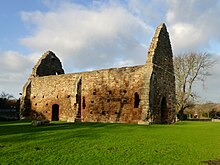
The Cistercian Priory of St Mary the Virgin, established by c. 1158, was one of the richest and largest nunneries in Britain and Ireland.
St Martin’s Kirk, the oldest surviving building in the town, dating from around 1100, is reputed to be the oldest church in Scotland. The following is a link to a PDF which is hosted by Historic Environment Scotland detailing the history of St Martin’s Kirk. Download PDF St Martin’s Church,…Read More
King Alexander II is born in Haddington. The only son of William I, Alexander was born in the royal palace of Haddington, now the site of the County Court. He became king in 1214 and, in 1237, he concluded the Treaty of York with Henry III of England which defined…Read More
Town subjected to pillage and is burned by the English under King John. Scottish royal family vacates the Palace of Haddington.
Patrick, sixth Earl of Athol, is murdered in a ‘palace’ at the west end of the High Street.
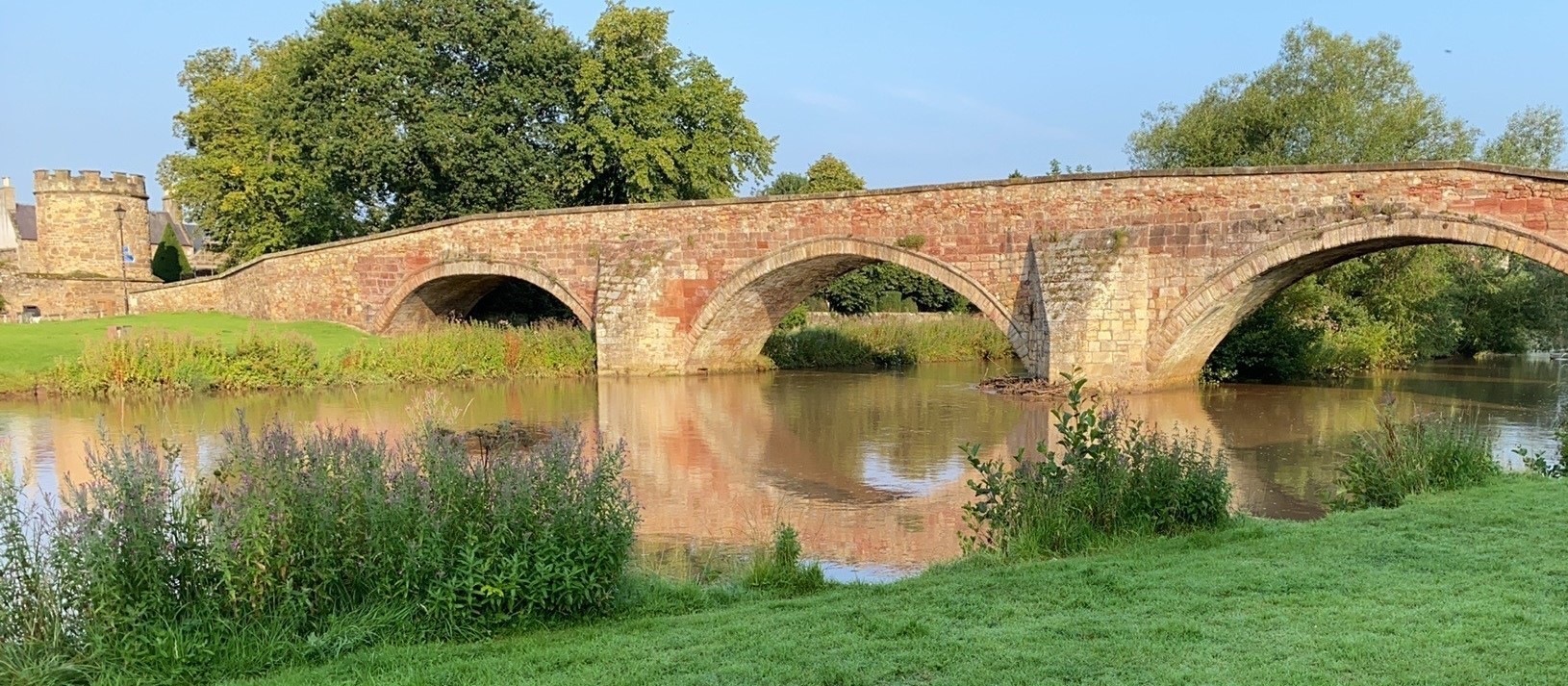
The Nungate Bridge, one of Scotland’s oldest bridges, dates from the 16th century, although a bridge has stood on this site since at least 1282. More about the Nungate Bridge can be read in the following link from the Scotland Gazetteer: https://www.scottish-places.info/features/featurefirst8176.html