
The History of Haddington
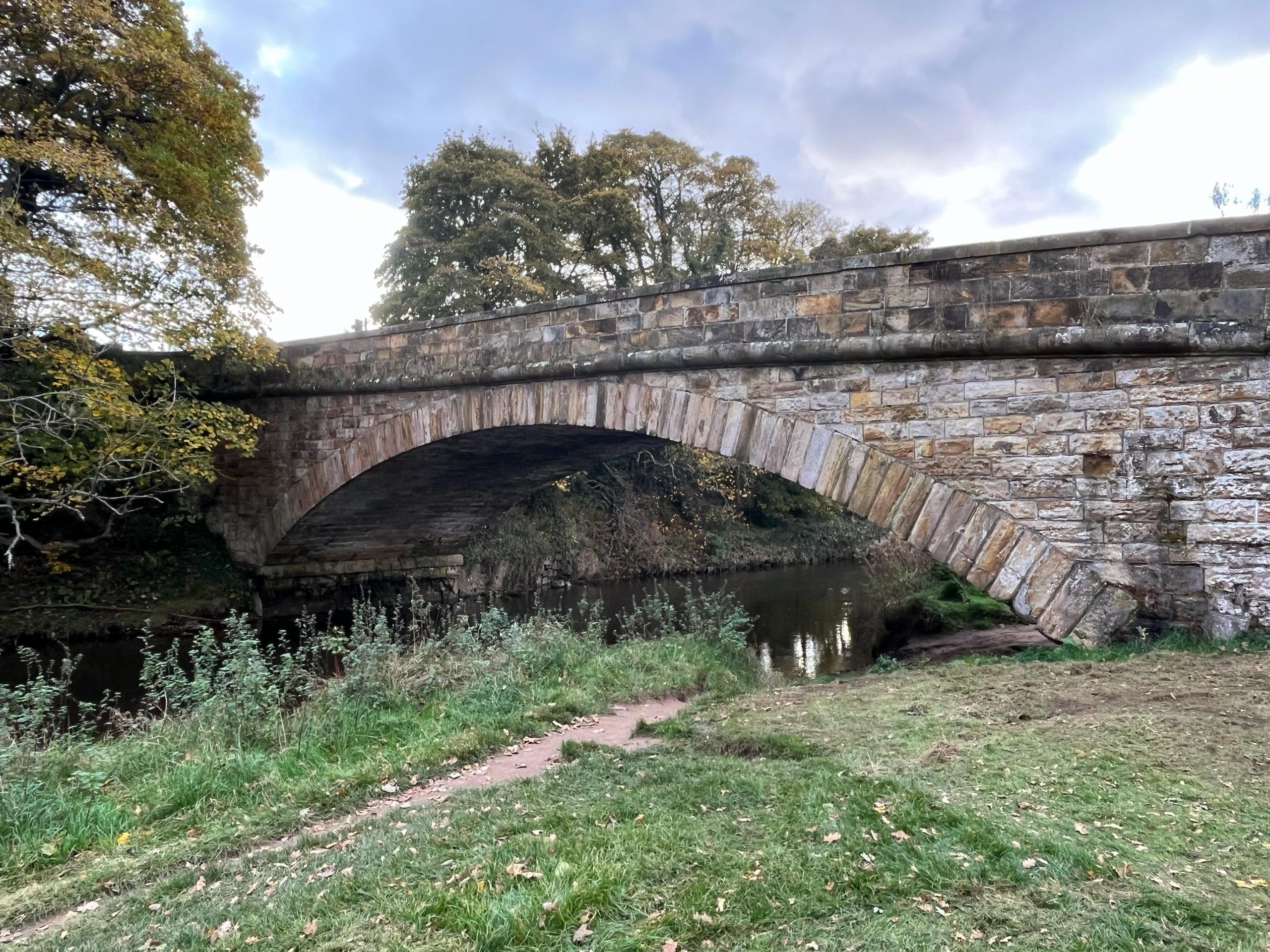
Waterloo Bridge by the Poldrate Mill is built and is named after the battle of Waterloo (the foundation stone having been laid on the anniversary of the battle). Link to image of Waterloo Bridge, Haddington
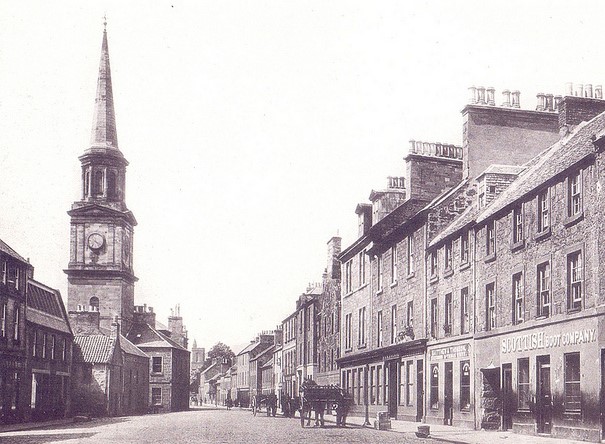
Additions made to the Town House – three cells, a spacious town hall, and a 150-feet spire from designs by Gillespie Graham. Link to wikipedia about Haddington Town House
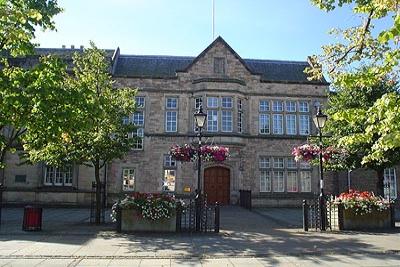
The Court Street Fountain which is topped with a statue of Samson was built along with the County Buildings. The County Buildings on Court Street stand on the site of the medieval palace of King William I.
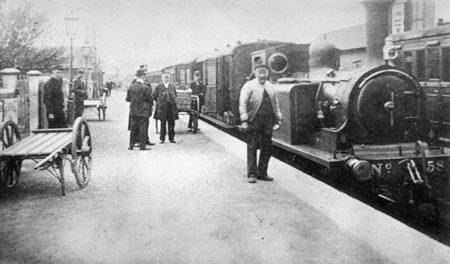
Opening of Haddington railway station. Railscot has images and information about the old station and can be linked to here.
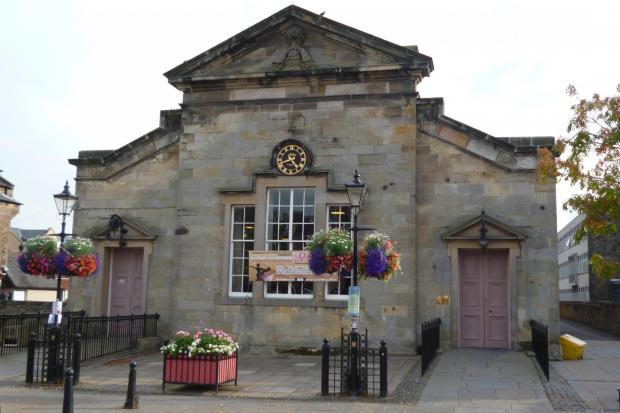
The Corn Exchange in Court Street which was built in 1854 as a market hall for the trading of grain. It was recently refurbished in 2020. Link to information about the Corn Exchange in Haddington.
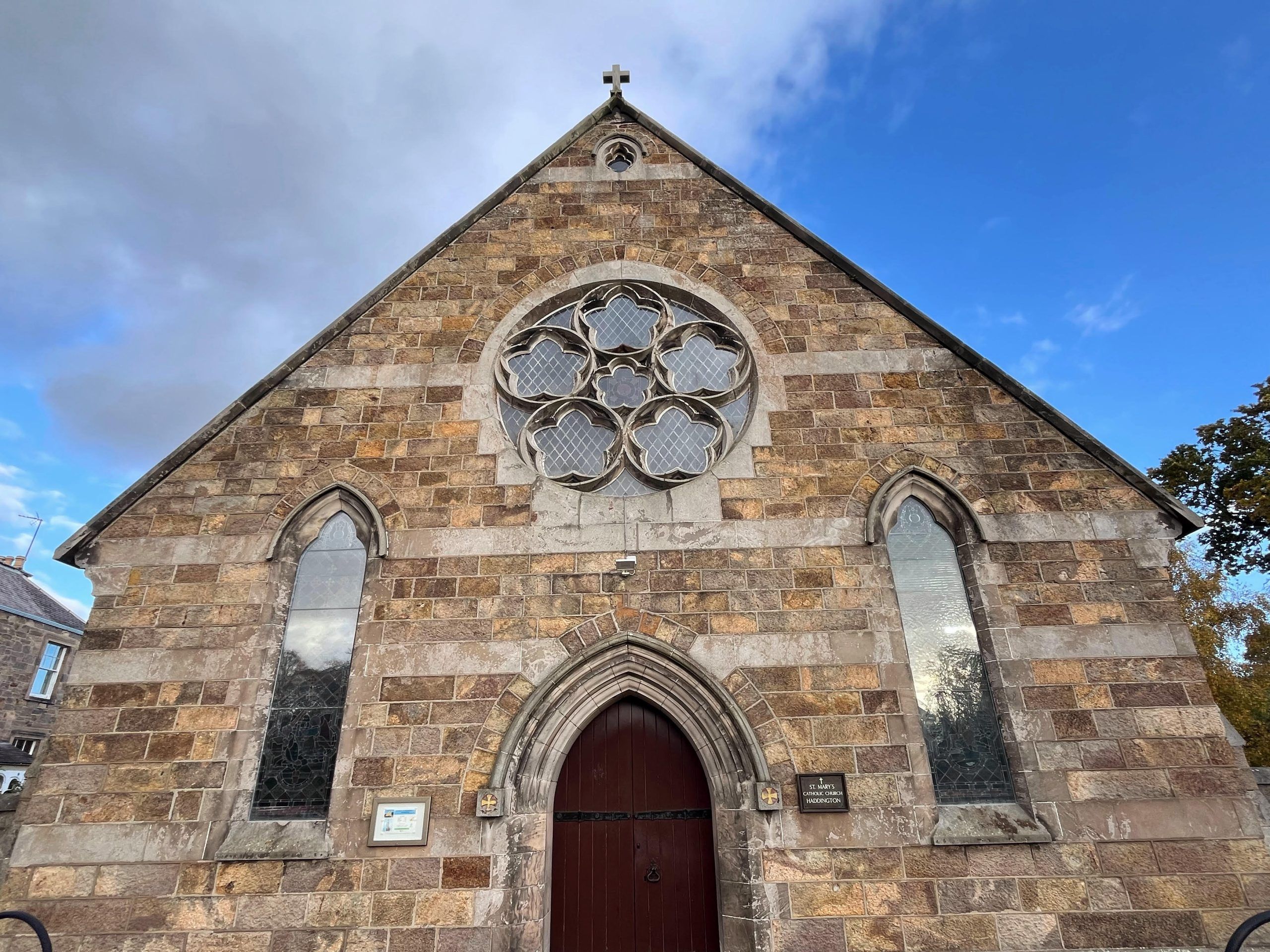
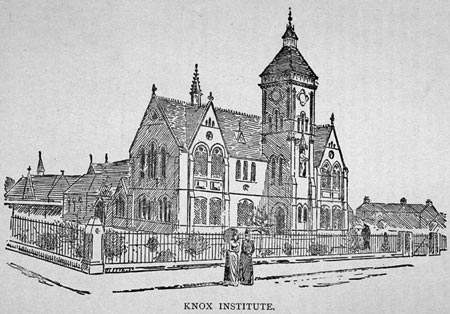
Completion of the Knox Memorial Institute to house the grammar school of Haddington (later Knox Academy).
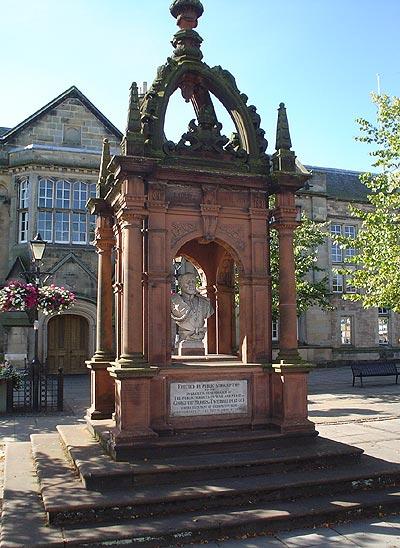
A memorial to George Hay, VIII Marquis of Tweeddale was erected in 1881 to commemorate the man who had been a distinguished soldier and Lord-Lieutenant of Haddingtonshire. Find more out about George Hay by clicking here. And in wikipedia by clicking here.